Civil services · Sociology Optional
UPSC Sociology
Optional.
Learn Sociology as a discipline,
not just as an optional subject.
Build your UPSC Sociology Optional preparation with clear concepts. Understand thinkers. Connect ideas with Indian society. Develop clear, balanced and sociologically informed answers through structured learning and practice.
Examination structure: UPSC CSE 2026 notification. Refer to the official rules for your examination year.
More than memorisation
UPSC Sociology Optional:
think sociologically.
Examine the evidence.
Build the argument.
Knowing a definition is only the beginning. The next step is learning how to explain an issue, compare perspectives and support an argument.
At SociologyQuest, our approach brings together understanding, application and expression. Connect sociological theory with the social world, then organise that understanding into focused written answers.
Our UPSC Sociology Optional programme is designed around Paper I and Paper II, with particular attention to the connections between them. Study thinkers, Indian society and answer writing as parts of an integrated subject—not isolated tasks.
A clear learning map
UPSC Sociology Optional syllabus:
Paper I & Paper II.
Build your theoretical foundation, then bring sociological perspectives to the structures and processes of change in Indian society.
Build your sociological foundation.
Paper I · Concepts, perspectives and analytical tools
- 01
Sociology as a discipline
Build a sociological perspective; distinguish systematic enquiry from everyday assumptions.
- 02
Sociology as science
Examine how sociological knowledge is produced, questioned and evaluated.
- 03
Research methods and analysis
Connect research questions with methods, evidence and interpretation.
- 04
Sociological thinkers
Explain major ideas, compare perspectives and practise their application.
- 05
Stratification and mobility
Analyse inequality and the possibilities and limits of social mobility.
- 06
Work and economic life
Explore work, economic relationships and their wider social significance.
- 07
Politics and society
Examine power, institutions, participation and collective action.
- 08
Religion and society
Compare sociological explanations of religion and its social significance.
- 09
Kinship, family and marriage
Study relationships, social expectations and changing family arrangements.
- 10
Social change
Examine explanations of continuity, development and transformation.
Understand Indian society through sociology.
Paper II · Perspectives, social structure and transformation
01 · Perspectives & historical context
Connect approaches to Indian society with the social consequences of colonialism, reform and historical change.
- Perspectives on Indian society
- Colonial impact
- Social reform and historical change
02 · Social structure & everyday life
Explore institutions, relationships and social divisions through sociological concepts and perspectives.
- Rural and agrarian society
- Caste and tribal communities
- Social classes
- Family and kinship
- Religion and society
03 · Transformation & social challenges
Examine continuity and change, connecting structural developments with their social implications.
- Social movements
- Population and politics
- Industrialisation and urbanisation
- Social transformation
- Contemporary social challenges
This is a programme overview, not the complete official syllabus. Paper names, exam structure and named thinkers are referenced to the UPSC CSE 2026 notification. Check the notification applicable to your examination year.
View official UPSC syllabusThe SociologyQuest approach
From knowing a topic
to understanding an issue.
Prepare for UPSC Sociology Optional by connecting the syllabus, the thinkers and the society around you through a purposeful cycle of learning and practice.
Concept first
Understand what an idea means, what it helps explain and where its limitations lie.
Syllabus-mapped learning
Keep each topic connected to the outline. Build organised notes and links between themes.
Thinkers in application
Move beyond names and quotations. Select a perspective that genuinely supports your answer.
Examples with purpose
Choose relevant evidence and explain its sociological significance, rather than simply adding news.
Previous-year questions
Practise reading the demand of a question. Use past papers as learning resources, not predictions.
Practice and revision
Identify gaps through writing, use feedback constructively and revise with a clear purpose.
Answer writing & evaluation
UPSC Sociology Optional
answer writing.
Move from “I know this topic” to “I can answer this question.” Build a disciplined way of thinking and writing—not a fixed answer template.
- 1Understand the question
Identify the issue, scope and instruction before beginning.
- 2Build a clear structure
Organise an opening, a logical discussion and a relevant conclusion.
- 3Use sociology meaningfully
Select concepts, thinkers and evidence that explain the issue.
- 4Develop analytical balance
Examine alternative interpretations and recognise limitations.
- 5Review, revise and improve
Practise to the stated limits and act on specific feedback.
Programme pathways
Begin where you are.
Build what you need next.
Choose a UPSC Sociology Optional pathway: foundation learning, focused answer-writing practice or targeted revision according to your preparation stage.
Sociology Optional
Foundation
For aspirants building the subject from the beginning.
A structured route through both papers, combining conceptual explanations, thinker discussions, Indian society and guided practice.
- Paper I + Paper II learning
- Concepts and guided readings
- Introductory answer writing
Answer Writing
& Test Series
For aspirants ready to strengthen written application.
Focused practice through topic-based questions, sectional assessments and full-length papers, with evaluation and discussion.
- Question-focused practice
- Sectional and full-length tests
- Evaluation and improvement
Revision
& Mentorship
For aspirants consolidating their preparation.
Targeted support to revisit difficult concepts, compare thinkers, connect topics and develop a practical revision strategy.
- Targeted concept revision
- Topic and thinker integration
- Preparation guidance
Programme availability, fees, duration, teaching mode, recordings, study materials, test count and feedback arrangements are batch-specific. Please request the relevant details before enrolling.
Who this is for
A starting point for beginners.
A clearer direction for aspirants.
Designed for learners beginning Sociology Optional, aspirants studying independently and candidates seeking focused improvement in answer writing. Your starting point should guide your learning plan.
Our teaching philosophy
Examine the evidence.
Build the argument.
Academic guidance
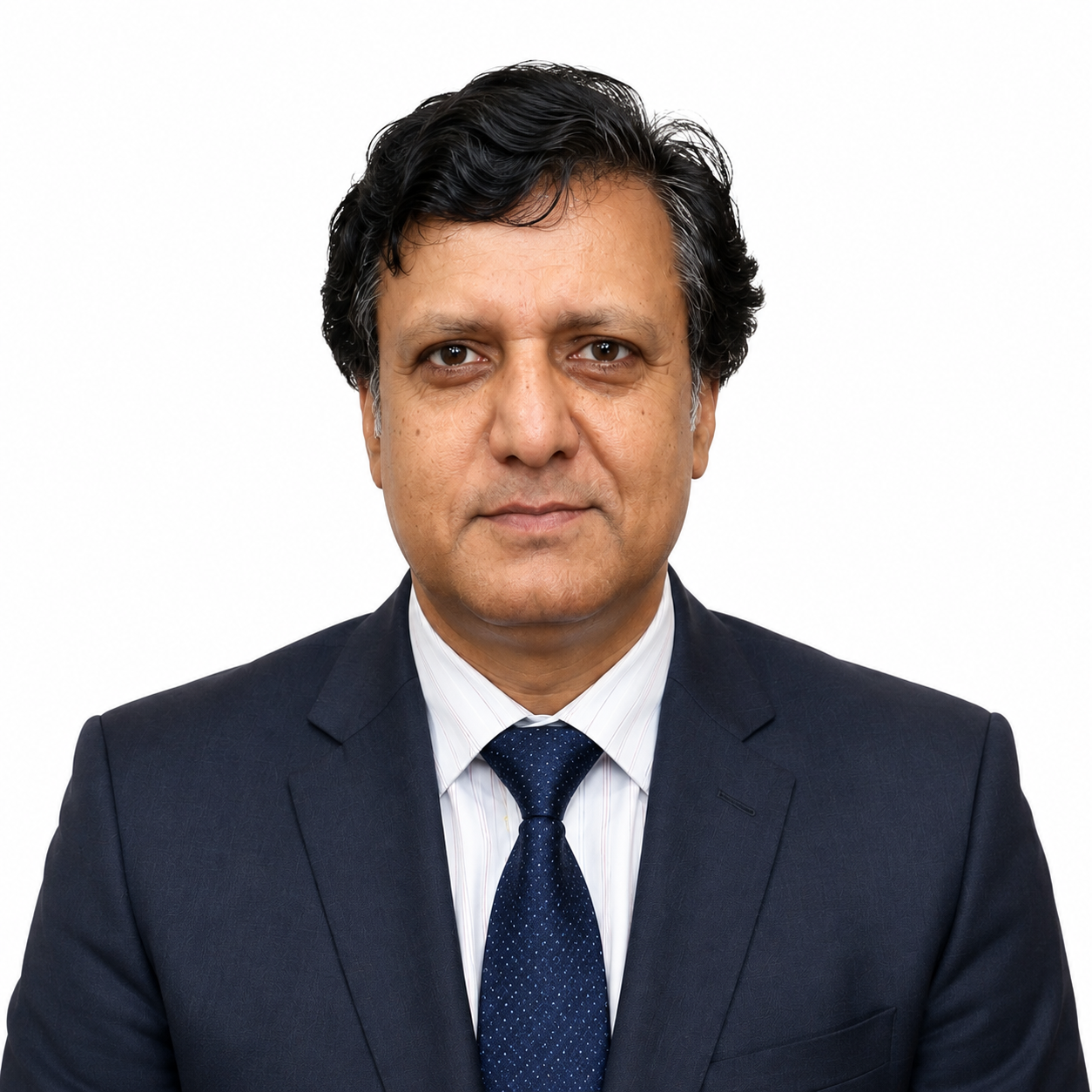
Learn with Prof. Sekhawat.
Sociologist · Educator · Author · Researcher · Mentor
Prof. Sekhawat brings more than two decades of teaching, academic and social-sector experience. His academic background includes an M.Phil. and Ph.D. in Sociology.
At SociologyQuest, the emphasis is on making sociology understandable without losing its academic depth—through careful reading, thoughtful questioning and the application of ideas to examinations and social issues.
Discuss your learning needsBefore you begin
UPSC Sociology Optional:
your questions answered.
A little clarity can make the next step easier. Here are answers to common programme questions.
Ask us something elseCan I begin UPSC Sociology Optional without a sociology background?
The foundation pathway is designed to introduce the discipline from its basic concepts. Allow time for understanding terminology, reading carefully and practising written explanations.
Does UPSC Sociology Optional preparation cover both papers?
The foundation programme is designed around Paper I and Paper II. Answer-writing, revision and mentorship pathways may have a narrower focus, so review the coverage of your chosen programme before enrolling.
How will thinkers and contemporary examples be taught?
The emphasis is on central arguments, comparisons, limitations and appropriate application. Contemporary examples are connected to syllabus themes and used to develop sociological interpretation, rather than treated as a separate collection of news items.
Are answer evaluation and personal feedback included?
The extent of evaluation and individual feedback depends on the selected programme. Batch details should specify the number of evaluated submissions, feedback format and response timelines.
Are classes live, recorded or classroom-based?
Please enquire about the arrangements for the relevant batch. Teaching language, live sessions, recordings, classroom availability and access duration should be confirmed before enrolment.
What are the fees, duration and next batch dates?
Contact SociologyQuest for the UPSC Sociology Optional programme schedule, fees and admission details. The enquiry form below prepares a WhatsApp message so you can request the information directly.
Which pathway matches my preparation stage?
A beginner may need the foundation pathway; an aspirant who has studied the syllabus may benefit from answer evaluation or targeted revision. A preparation discussion can help identify the support most relevant to your needs.
Does joining guarantee marks or selection?
No. SociologyQuest provides academic guidance and preparation support; it does not guarantee marks, rank or selection. Your study, practice, revision and examination performance remain essential.
Your next step
Begin with clarity.
Prepare with purpose.
Exploring Sociology Optional, beginning the syllabus or working to improve your answers? Tell us where you are and what you need next.
Connect with SociologyQuest about your preparation stage, learning goals and programme options.
Ask about fees, schedule, teaching language, access and feedback before enrolling. Academic guidance does not guarantee marks, rank or selection.
Independent academic preparation. SociologyQuest is not affiliated with UPSC.
Examination details reference the 2026 notification; batch information is confirmed on enquiry.